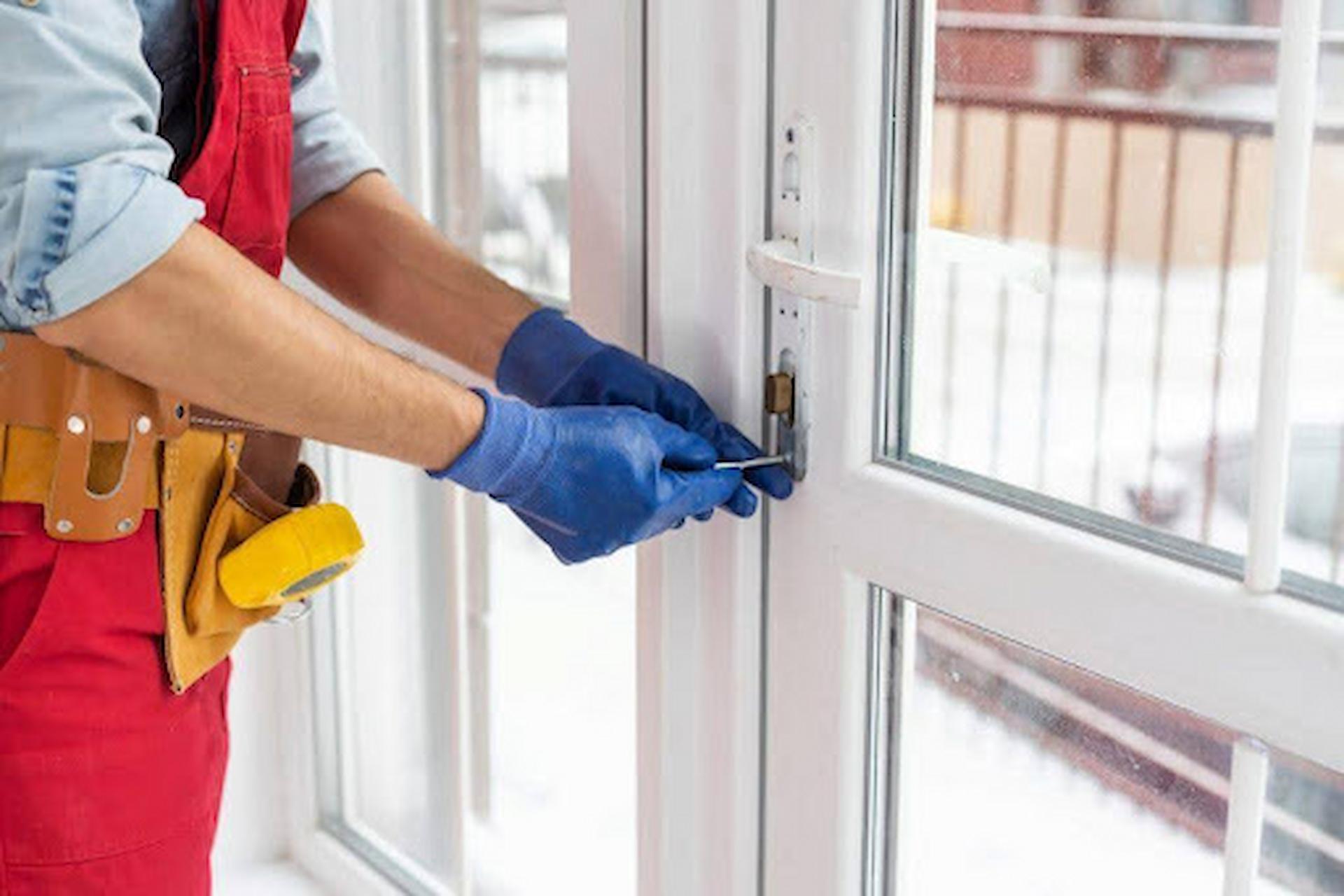
In modern construction, glass plays a critical role in blending style and sustainability. From sleek skyscrapers to energy-efficient homes, the challenge for glazing companies is finding the right balance between beauty and performance. This article explores how aesthetics and energy efficiency work hand in hand, highlighting innovative design strategies, smart materials, and cutting-edge technologies. Discover how the glazing industry transforms buildings into spaces that are both stunning and sustainable.
Architecture today is more than bricks and mortar—it’s about creating spaces that inspire, protect, and last. Glass has become a centrepiece in modern buildings, shaping skylines and improving interior environments. Yet, the growing emphasis on sustainability means glass design must do more than just look good. Glazing company now face a dual challenge: delivering striking aesthetics while meeting strict energy-efficiency standards. Balancing these priorities requires creativity, advanced technology, and a deep understanding of materials.
The Role of Glass in Modern Architecture
Glass is no longer just a window to the outside world. It is a structural element, a design statement, and an energy-saving solution. In commercial towers, expansive glass façades create sleek, futuristic aesthetics. In residential homes, large windows connect people to nature, flooding rooms with daylight. However, the challenge lies in ensuring these visual benefits do not compromise energy performance. Uncontrolled heat gain, glare, or insulation issues can undermine the comfort and efficiency of a building.
Why Energy Efficiency Matters
Energy-efficient construction is no longer optional. With rising energy costs and global climate targets, architects and builders must prioritise sustainable design. Glass surfaces, while beautiful, can be energy-intensive if not properly engineered. Poorly designed glazing leads to heat loss in winter, overheating in summer, and higher reliance on heating and cooling systems. Energy-efficient glazing company helps reduce carbon footprints, lowers utility bills, and contributes to green certifications like LEED or BREEAM—factors highly valued in today’s construction industry.
Aesthetic Demands in Modern Construction
Aesthetics remain a powerful driver of design choices. Developers want striking façades that attract attention, while homeowners seek elegant windows that complement interiors. Transparency, reflection, and colour variations add character to structures. Architects often push for floor-to-ceiling glass walls, panoramic views, or sleek minimalist lines. Meeting these design goals requires collaboration with glazing specialists who can transform ambitious concepts into functional, safe, and efficient installations.
The Balancing Act: Where Design Meets Efficiency
This is where the expertise of a glazing company becomes essential. Their role is to find the sweet spot between creative design and technical performance. Advanced coatings, specialised laminates, and insulated glass units allow for breathtaking façades that are also thermally efficient. These solutions make it possible to enjoy wide, transparent views without compromising insulation or solar control. Through careful planning, glazing firms ensure projects achieve both elegance and sustainability.
Innovations Driving Energy-Efficient Glazing
Low-E Coatings
Low-emissivity (Low-E) coatings are among the most impactful innovations. These microscopic layers reflect infrared energy, keeping heat inside during winter and outside in summer. The result is reduced reliance on HVAC systems and improved comfort indoors.
Double and Triple Glazing
Multi-layered glass units trap insulating air or inert gas between panes, cutting down heat transfer. They also enhance sound insulation—an added bonus for buildings in busy urban centres.
Smart Glass
Smart or electrochromic glass adapts to changing conditions. It can darken in response to sunlight, reducing glare and cooling loads, while still maintaining clear views. This technology combines modern aesthetics with real-time energy savings.
Thermal Break Frames
Energy-efficient glazing isn’t just about the glass; the frames matter too. Thermal break frames made of insulated materials prevent heat conduction and further improve efficiency.
Design Strategies for Modern Projects
Orientation and Placement
The positioning of glass surfaces has a major impact on energy performance. South-facing windows maximise winter sun but need shading to avoid summer overheating. East- and west-facing glazing requires careful treatment to limit glare and excessive solar gain.
Shading Devices
Architectural shading systems—louvres, overhangs, or brise-soleil—add aesthetic value while controlling heat and light. Combining them with advanced glazing ensures maximum comfort and energy savings.
Daylighting Integration
Glass can reduce artificial lighting needs by maximising daylight. However, the design must balance brightness and glare. Integrating glazing solutions with smart building systems creates healthier, more energy-efficient interiors.
Case Studies: Real-World Applications
- Commercial Towers: In major cities, glazing companies have delivered skyscrapers that meet both design and energy codes. Iconic glass façades paired with Low-E coatings and shading systems reduce running costs while maintaining visual appeal.
- Residential Projects: Homeowners increasingly demand energy-efficient solutions. Triple-glazed windows with stylish frames offer insulation without sacrificing aesthetics. Large bay windows become features while still delivering thermal comfort.
- Public Buildings: Museums, libraries, and airports often rely heavily on glazing. By combining natural light with solar control glass, these spaces remain inviting, functional, and sustainable.
Challenges Glazing Companies Face
Balancing beauty and performance is not without obstacles. Cost is often a sticking point, as energy-efficient glazing solutions can be more expensive upfront. However, long-term energy savings typically offset initial investments. Another challenge lies in meeting diverse regulatory requirements across regions, where building codes and energy standards vary. Finally, educating clients about the importance of energy efficiency is crucial, as some still prioritise appearance over performance.
The Future of Glazing in Construction
The glazing industry is evolving rapidly. Sustainability goals, combined with client demand for modern aesthetics, are pushing innovation. Expect to see more integration of smart glass, recycled materials, and AI-driven design modelling in the coming years. Buildings of the future will feature glass that not only looks stunning but actively manages energy use, air quality, and occupant comfort.
Conclusion
Glazing has transformed from a simple building material into a key player in sustainable architecture. Aesthetics and energy efficiency, once seen as conflicting goals, now complement each other through smart design and advanced technology. By choosing the right glazing company, developers and homeowners alike can achieve projects that are visually striking, cost-efficient, and environmentally responsible. The future of construction lies in glass that is not just transparent but also intelligent, sustainable, and timeless.