Clean water is something most people assume is guaranteed. Yet many homes face hidden water issues—hardness, chlorine taste, sediment, or even unseen contaminants. These problems don’t just affect how water tastes or smells; they can impact appliances, plumbing, and even long-term health.
As awareness grows, more homeowners are looking beyond basic filtration and exploring complete water treatment solutions. That’s where purification and softening systems come into play. Understanding how they work—and why they matter—can help you make better decisions for your home.
Why Tap Water Isn’t Always Enough
Municipal water treatment plants do a solid job of making water safe. However, by the time water reaches your home, several factors can affect its quality:
- Aging pipelines can introduce rust or sediment
- Minerals like calcium and magnesium create hard water
- Chlorine and chemicals affect taste and odor
- Local conditions may introduce specific contaminants
Even if your water meets safety standards, it may not meet comfort or efficiency expectations. That’s why many households invest in additional treatment systems.
What Is Water Purification?
Water purification softeners focus on removing harmful or unwanted substances from your water. This can include:
- Bacteria and viruses
- Heavy metals like lead
- Chlorine and chemical residues
- Sediment and microplastics
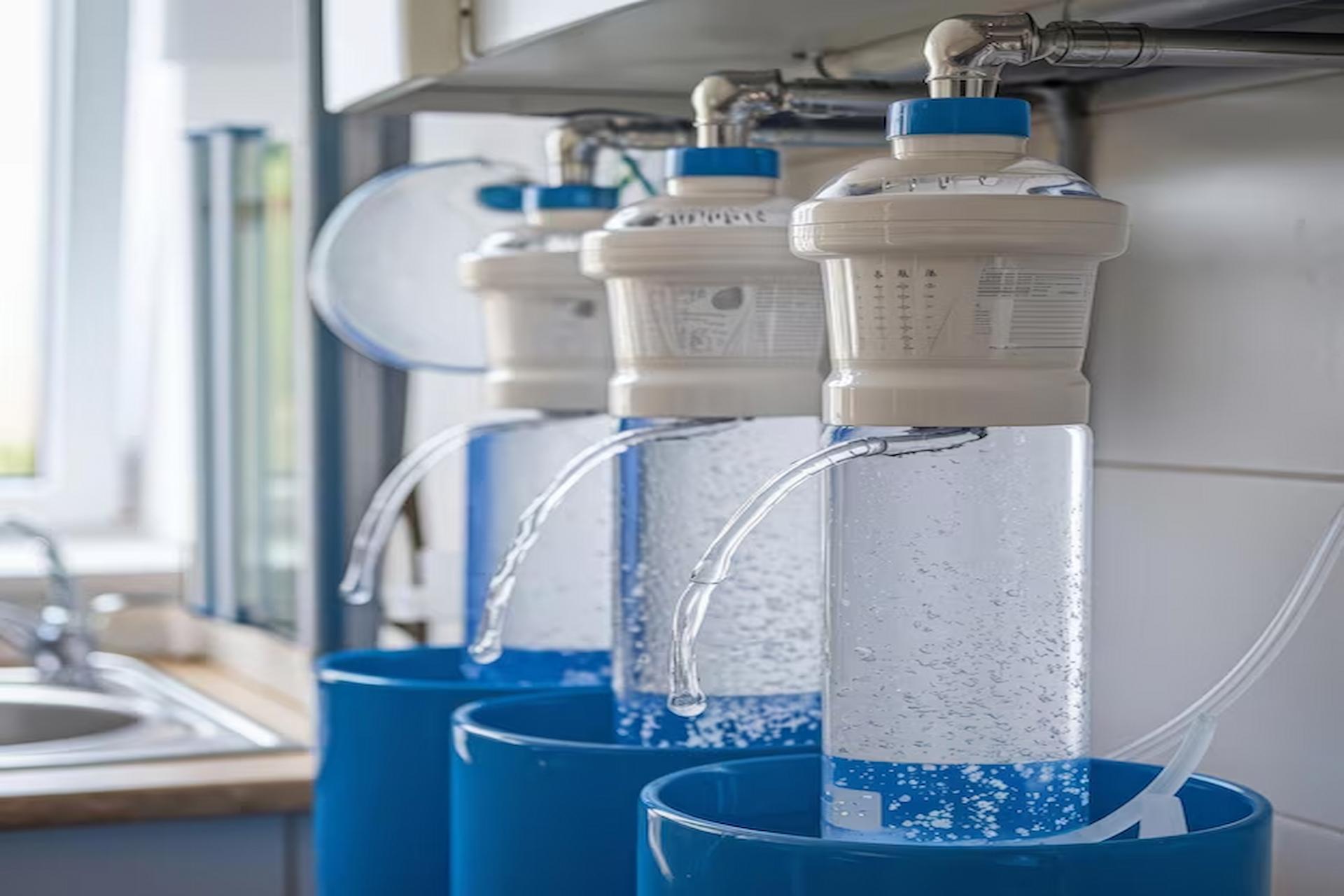
Common purification methods include reverse osmosis, carbon filtration, and UV treatment. Each method targets different types of contaminants, making it important to choose the right system based on your water quality.
For example, reverse osmosis systems are highly effective at removing dissolved solids, while activated carbon filters are excellent for improving taste and odor.
Understanding Water Softening Systems
Hard water is one of the most common issues in homes. It contains high levels of minerals like calcium and magnesium, which can lead to:
- Limescale buildup in pipes and appliances
- Reduced the efficiency of water heaters
- Soap scum on dishes and bathroom surfaces
- Dry skin and dull hair
Water softeners work by removing these minerals through a process called ion exchange. They replace hardness minerals with sodium or potassium, resulting in softer water.
The benefits are immediate and noticeable—cleaner dishes, longer-lasting appliances, and better-performing soaps and detergents.
Purification vs. Softening: What’s the Difference?
While both systems improve water quality, they serve different purposes:
Water purification:
- Focuses on safety and cleanliness
- Removes contaminants and impurities
- Improves taste and health factors
Water softening:
- Focuses on water usability
- Removes hardness minerals
- Protects plumbing and appliances
In many cases, homeowners benefit most from combining both systems. This ensures water is not only safe to drink but also gentle on your home infrastructure.
Why Combined Systems Are Becoming Popular
Modern households are increasingly choosing integrated solutions like water purification softeners because they offer comprehensive benefits in one setup.
Instead of installing separate systems, these combined solutions address multiple concerns simultaneously—removing contaminants while also softening the water. This approach simplifies maintenance, saves space, and delivers consistent results throughout the home.
For instance, a household using both purification and softening systems may notice:
- Improved drinking water quality
- Reduced scale buildup in appliances
- Lower maintenance costs over time
- Enhanced overall comfort
Signs You May Need a Water Treatment System
Not sure if your home needs a purification or softening system? Look for these common indicators:
- White spots on dishes or glassware
- Soap that doesn’t lather well
- Metallic or chlorine taste in water
- Frequent appliance repairs due to scale buildup
- Dry skin after showers
If you notice even a few of these signs, it may be worth testing your water quality and exploring treatment options.
Choosing the Right System for Your Home
Selecting the right system depends on your specific water conditions. Here are a few practical steps to guide your decision:
1. Test Your Water
A professional water test identifies hardness levels and contaminants, giving you a clear starting point.
2. Identify Your Priorities
Are you more concerned about health, appliance longevity, or taste? Your goals will influence the type of system you need.
3. Consider Whole-Home vs. Point-of-Use
- Whole-home systems treat all water entering your house
- Point-of-use systems focus on specific areas like kitchen taps
4. Think Long-Term
Investing in a reliable system may cost more upfront but often saves money through reduced maintenance and energy efficiency.
Maintenance Matters More Than You Think
Even the best systems require regular upkeep to perform effectively. This includes:
- Replacing filters on schedule
- Checking salt levels in softeners
- Inspecting system performance annually
Neglecting maintenance can reduce efficiency and compromise water quality. A well-maintained system, however, can last for years while delivering consistent results.
The Bigger Picture: Health, Comfort, and Sustainability
Clean water is not just about convenience—it’s about long-term wellbeing. Properly treated water can:
- Reduce exposure to harmful substances
- Improve skin and hair health
- Extend the life of appliances and plumbing
- Lower energy consumption
In addition, efficient water systems contribute to sustainability by reducing waste and improving resource use.
Conclusion
Water quality plays a bigger role in daily life than most people realise. From the water you drink to the water you use for cleaning, every drop matters. Understanding the difference between purification and softening systems helps you make informed choices that benefit both your health and your home.
By investing in the right solution—and maintaining it properly—you can transform your water from a basic utility into a reliable, high-quality resource. Clean, soft, and safe water isn’t a luxury anymore; it’s an essential part of modern living.