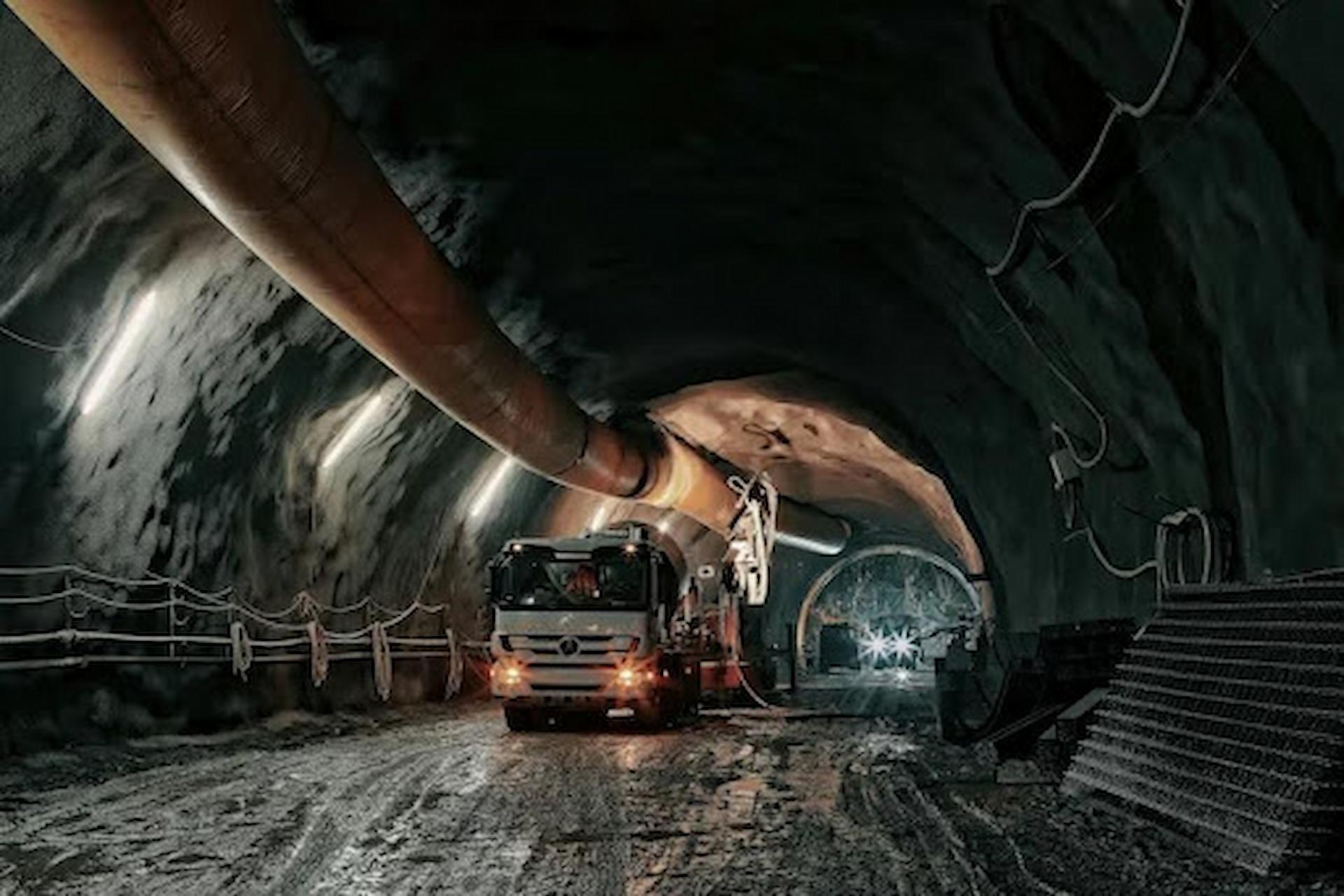
Mining has always demanded strength, precision, and endurance. Today, modern equipment brings something new to the table: intelligence. From automated machines to energy-efficient processing systems, mining tools are evolving to meet rising demands for safety, productivity, and environmental responsibility across operations of every scale.
Mining may be one of the world’s oldest industries, but its equipment is rapidly evolving. Digital systems, automation, and improved material handling are reshaping how resources are extracted and processed.
At the processing stage, vibrating screens remain essential for accurate material separation, highlighting how modern mining blends heavy engineering with smart performance.
The Shift from Heavy Machinery to Smart Systems
Mining equipment is no longer defined only by size and power. Intelligence, automation, and real-time feedback now shape how machines operate and adapt on site. These changes improve consistency while reducing reliance on constant manual control.
Automation and Remote Operation
Automated drilling, loading, and haulage systems follow programmed paths with high accuracy. Sensors guide movement and operation, reducing human exposure to hazardous conditions while improving repeatability.
Data-Driven Performance
Modern machines collect continuous performance data such as load levels, vibration, and temperature. This information supports predictive maintenance, allowing issues to be addressed before failures occur.
Material Handling Gets More Precise
Material movement and separation sit at the core of mining efficiency, and recent advances in processing equipment place strong emphasis on accuracy and consistency. Modern crushing and screening systems allow precise adjustment based on material type and size, helping operations maintain stable output. Vibrating screens use controlled motion to separate material effectively, ensuring uniform feed to downstream equipment. When materials are classified correctly at the first stage, the need for repeated processing is reduced. This lowers energy consumption, limits unnecessary wear on machinery, and improves overall throughput across the operation.
Energy Efficiency and Environmental Control
Energy use and environmental impact are key concerns in modern mining operations. Equipment design increasingly focuses on lowering consumption while maintaining reliable output.
Lower Power Consumption
Efficient motors, optimised drives, and improved motion control reduce electricity demand. Even modest efficiency gains can result in substantial long-term operational savings.
Dust and Noise Management
Improved sealing, enclosed systems, and vibration control help reduce dust and noise levels. These measures improve working conditions and support compliance with environmental standards.
Durability Meets Modular Design
Mining equipment is expected to perform reliably under constant stress, extreme temperatures, and abrasive conditions, making durability a non-negotiable requirement. Modern equipment design now combines robust construction with flexible engineering to support long service life without sacrificing practicality. Wear-resistant materials and reinforced components improve resistance to abrasion and mechanical strain, helping machines operate longer between replacements. At the same time, modular construction allows individual parts to be repaired or upgraded without dismantling entire systems. This targeted approach to maintenance reduces downtime, simplifies servicing, and keeps operations running with minimal disruption.
Safety Improvements Through Design
Safety is increasingly embedded into mining equipment rather than added later. Design-led solutions aim to reduce risk while improving operational awareness.
Reduced Manual Interaction
Automation and remote monitoring reduce the need for direct contact with moving equipment. Built-in safeguards limit exposure to mechanical and material-related hazards.
Clearer Monitoring and Control
Modern interfaces provide clear data, alerts, and system feedback. Operators can respond faster and more confidently when conditions change.
Key Takeaways for Smarter Equipment Choices
Choosing modern mining equipment requires a balanced view of performance, safety, and efficiency. Practical considerations help ensure long-term value and reliability.
- Prioritise automation where it improves consistency and reduces risk
- Use performance data to plan maintenance rather than react to failures
- Select processing equipment suited to material type and volume
- Favour modular designs for easier servicing and upgrades
- Consider environmental controls as part of operational planning
Conclusion
Modern mining equipment reflects a shift toward smarter, safer, and more efficient operations. Automation, data integration, and improved material handling now support consistent output with reduced risk.
From extraction through processing, tools such as vibrating screens show how focused innovation delivers measurable operational benefits. As technology continues to advance, intelligent equipment will remain central to sustainable and productive mining operations.